Problem Situations
This module is for polling places using the , which doesn’t match the equipment you chose. Change your equipment or continue below.
Welcome back. We picked up where you left off.
-
SPOILED BALLOTS
SPOILED BALLOTS
If for any reason a voter spoils their ballot, the voter may return their spoiled ballot to the Ballot Distribution Judge and receive a new ballot.
From the manual, page 28
-
SPOILED BALLOTS
Step 1
Mark the “Spoiled Ballot” square on the Application to Vote.
From the manual, page 28
-
SPOILED BALLOTS
Step 2
Give the voter the small Spoiled Ballot Envelope in order to secure the spoiled ballot.
From the manual, page 28
-
SPOILED BALLOTS
Step 3
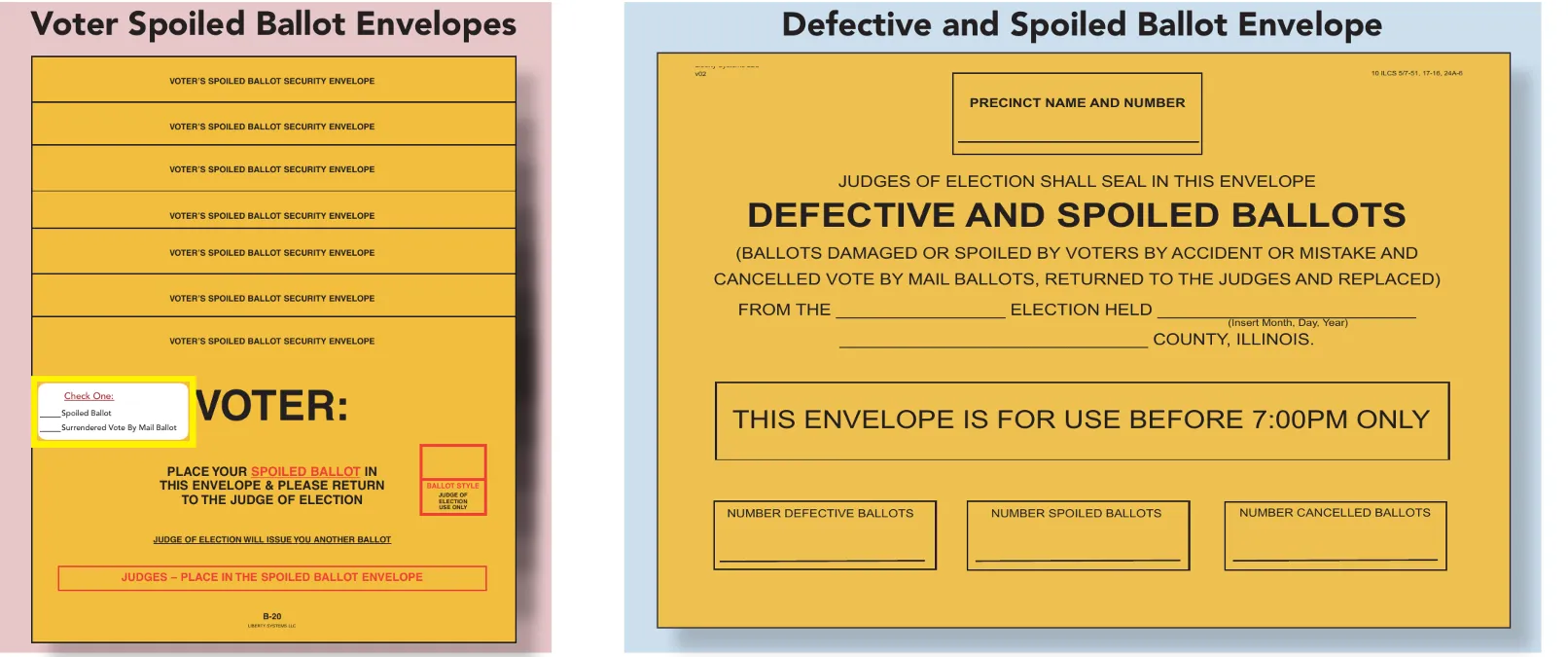
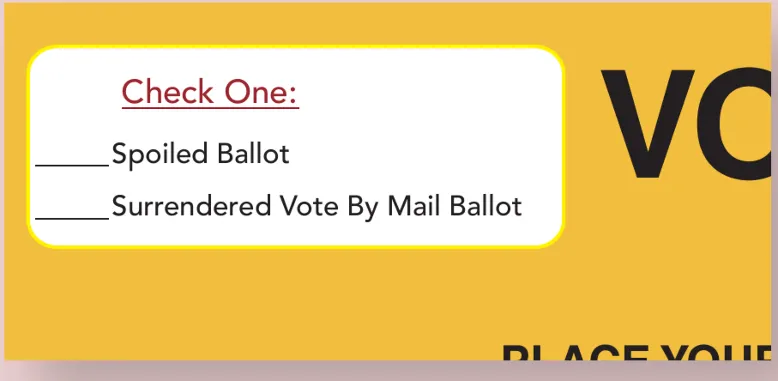
The voter returns this envelope to the Judges, who shall then check “spoiled ballot” on the front of the Voter Spoiled Ballot Envelope.
From the manual, page 28
-
SPOILED BALLOTS
Step 4
Provide the voter with another ballot of the same ballot style and party—if applicable.
From the manual, page 28
-
SPOILED BALLOTS
Step 5
Number the spoiled ballot envelopes consecutively and then place each individually sealed envelope into the larger Defective and Spoiled Ballot Envelope.
If a voter surrenders a Vote by Mail ballot in exchange for a ballot to be voted in the polling place, the surrendered ballot should be stored in the “Defective and Spoiled Ballots” envelope with the spoiled ballots. However, the Judge who handles this process should check the “Surrendered Vote By Mail Ballot” line shown to the left (not the “Spoiled Ballot” line). These surrendered ballots should be numbered consecutively as well but numbered separately from the spoiled ballots.
From the manual, page 28
-
Ballot Jammed — Jammed Before Being Cast
Ballot Jammed — Jammed Before Being Cast
This means the ballot has not been counted.
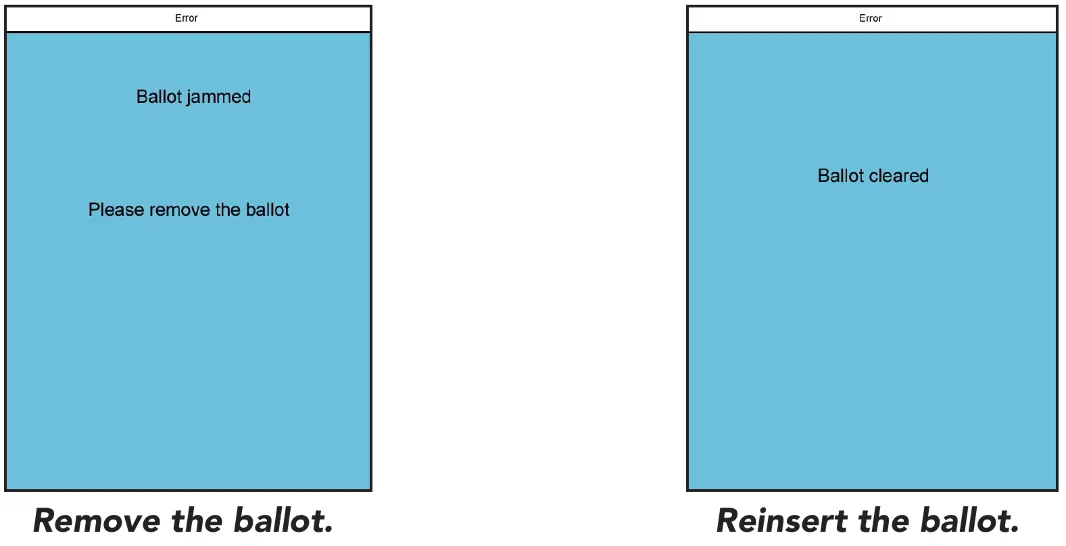
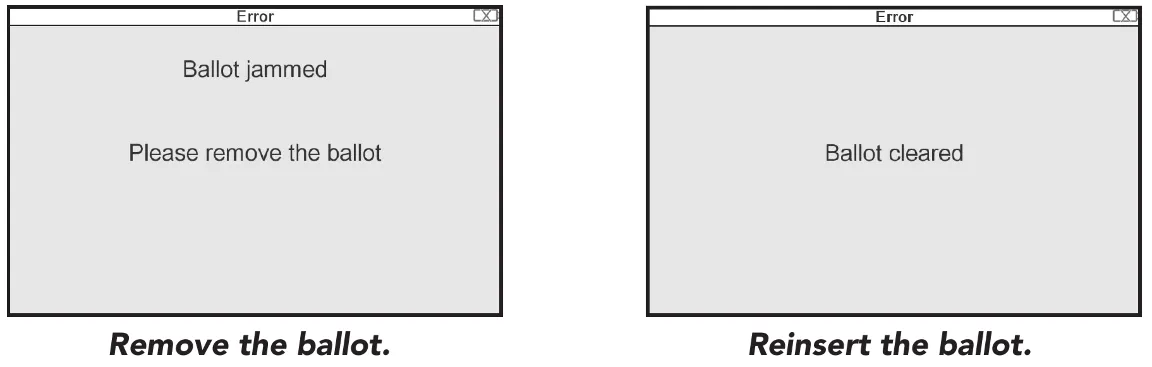
Problem: The tabulator’s screen displays an error message that reads “Ballot jammed.”
Explanation: A ballot has jammed and has been kicked back before it has been cast. The ballot needs to be retrieved from the ballot reader and reinserted.
From the manual, page 32
-
OVO Tabulator
Course of Action:
Step 1
Instruct the voter to remove the ballot from the scanner by gently pulling it out.
From the manual, page 32
-
OVO Tabulator
Step 2
Have them look over their choices to make sure everything is marked how they intended.
From the manual, page 32
-
OVO Tabulator
Step 3
Have the voter reinsert the ballot to scan and cast it.
From the manual, page 32
-
FVS Tabulator
Course of Action:
Step 1
Instruct the voter to remove the ballot from the scanner by gently pulling it out.
From the manual, page 32
-
FVS Tabulator
Step 2
Have them look over their choices to make sure everything is marked how they intended.
From the manual, page 32
-
FVS Tabulator
Step 3
Have the voter reinsert the ballot to scan and cast it.
From the manual, page 32
-
OVO Tabulator: Ballot Jammed After Cast — Special Handling Required
OVO Tabulator: Ballot Jammed After Cast — Special Handling Required
This means the ballot has been counted by the OVO Tabulator.
If the ballot is kicked back to the voter, do not let them rescan the ballot.
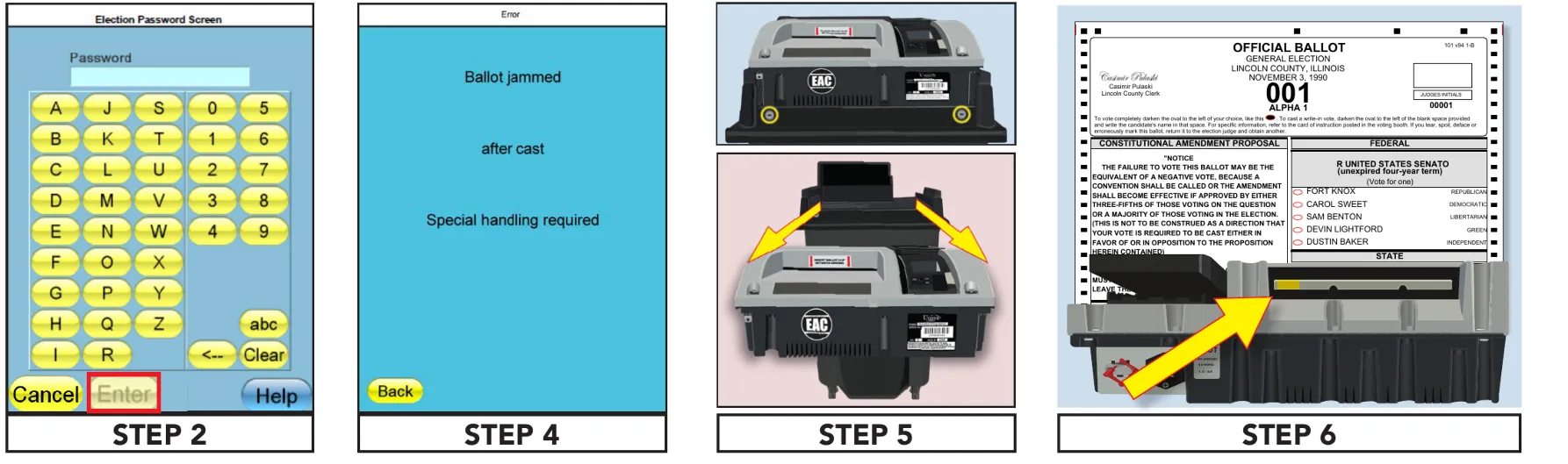
Problem: The Tabulator’s screen displays an error message that reads: “Ballot jammed after cast – Special handling required.”
Explanation: A ballot has jammed after being cast. The ballot needs to be retrieved from the ballot reader on the Tabulator and dropped into the Main ballot bin.
From the manual, page 33
-
OVO Tabulator: Ballot Jammed After Cast — Special Handling Required
Course of Action:
Step 1
The OVO will inform the voter they need assistance from the Election Judge.
From the manual, page 33
-
OVO Tabulator: Ballot Jammed After Cast — Special Handling Required
Step 2
The Ballot Box Judge will be prompted to enter the Election Password.
From the manual, page 33
-
OVO Tabulator: Ballot Jammed After Cast — Special Handling Required
Step 3
After entering the password, the OVO will attempt to feed the ballot through to the ballot bin and, if unsuccessful, it will try to kick it back to the voter.
From the manual, page 33
-
OVO Tabulator: Ballot Jammed After Cast — Special Handling Required
Step 4
If the OVO is unable to clear the jam on its own, the screen will display the error message: “Ballot jammed after cast. Special handling required.”
From the manual, page 33
-
OVO Tabulator: Ballot Jammed After Cast — Special Handling Required
Step 5
The Ballot Box Judge should unlock the OVO from the ballot box and slide the Tabulator forward.
From the manual, page 33
-
OVO Tabulator: Ballot Jammed After Cast — Special Handling Required
Step 6
Instruct the voter to retrieve the ballot from the back of the OVO.
From the manual, page 33
-
OVO Tabulator: Ballot Jammed After Cast — Special Handling Required
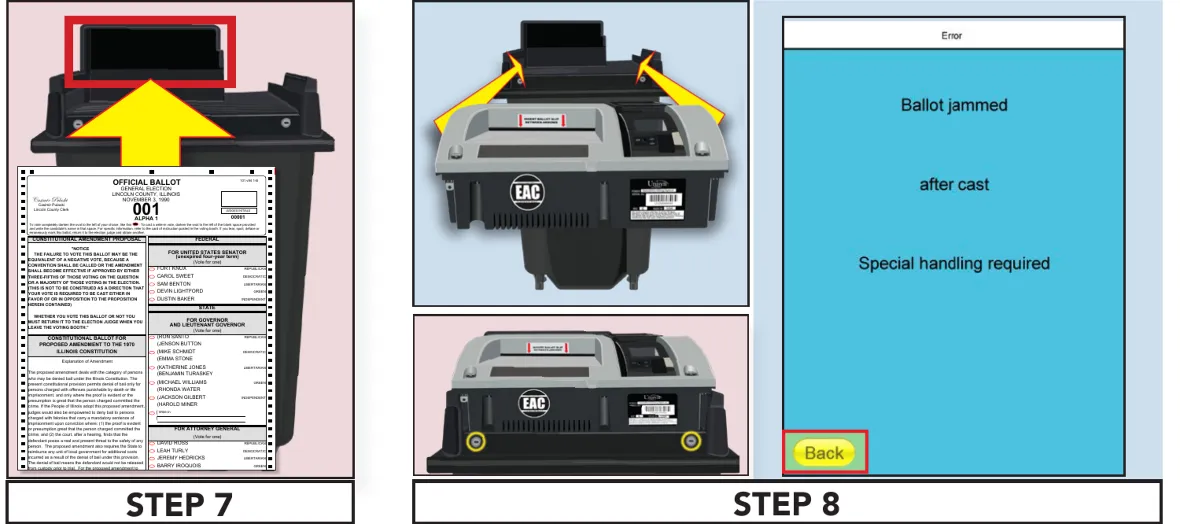
Step 7
Have the voter deposit their voted ballot into the Main ballot bin.
From the manual, page 33
-
OVO Tabulator: Ballot Jammed After Cast — Special Handling Required
Step 8
Replace the OVO onto the ballot box and lock it back into place. Once the OVO has been replaced onto the ballot box and secured, press “Back” to return to the “Voting Screen.”
If for any reason you are unable to remove the jam, contact your Election Authority. They will send a technician to assist you.
In the meantime, turn the ballot box around and have voters deposit their marked ballots into the Auxiliary ballot bin.
From the manual, page 33
-
FVS Tabulator: Ballot Jammed After Cast — Special Handling Required
FVS Tabulator: Ballot Jammed After Cast — Special Handling Required
This means the FVS has counted the ballot.
Do not let the voter rescan the ballot.
From the manual, page 34
-
If the ballot was kicked back to the voter:
Step 1
The Election Password screen will display; enter the Election Password to begin the ballot clear process. After the password is entered, the Error screen will display the message: “Ballot jammed after cast. Special handling required.”
From the manual, page 34
-
If the ballot was kicked back to the voter:
Step 2
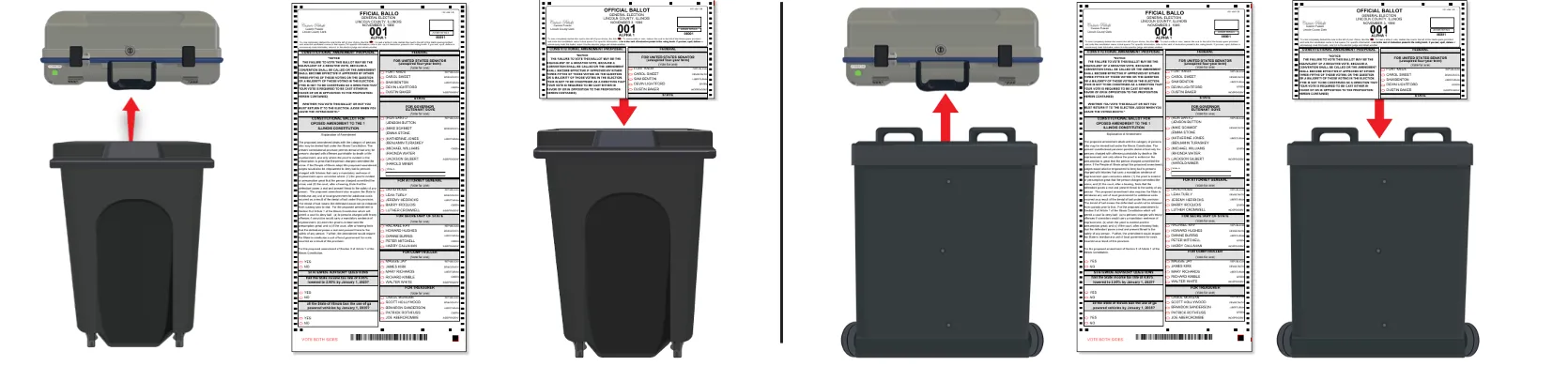
In order for the voter to be able to deposit their voted ballot into the Main ballot bin, the Ballot Box Judge must remove the FVS Tabulator so the voter may deposit their ballot into the opening in the ballot box lid (underneath the Tabulator).
From the manual, page 34
-
If the ballot was kicked back to the voter:
Step 3
When the jam is cleared and the FVS has been resecured to the lid of the ballot box, press the “Back” button on the Error screen; the FVS is ready for the next voter. Continue with voting.
From the manual, page 34
-
If the ballot was not kicked back (and jammed inside the FVS):
Step 1
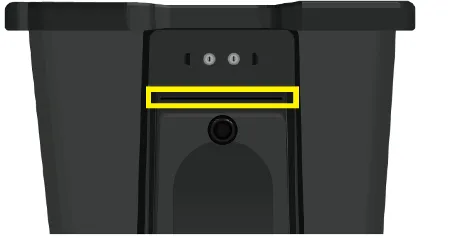
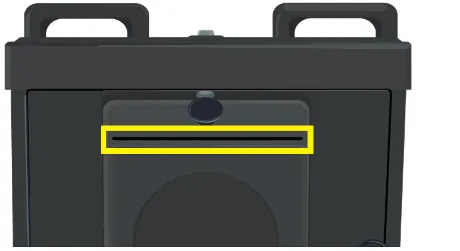
Unlock the FVS from the ballot box, carefully lift the FVS from the lid, and gently remove the ballot from the slot on the bottom of the FVS.
From the manual, page 34
-
If the ballot was not kicked back (and jammed inside the FVS):
Step 2
Have the voter deposit the ballot directly into the Main ballot bin.
From the manual, page 34
-
If the ballot was not kicked back (and jammed inside the FVS):
Step 3
Replace the FVS on the ballot box and secure it by locking it in place. Continue with voting.
From the manual, page 34
-
If you are not able to remove the FVS and clear the jam:
Step 1
Contact your Election Authority.
From the manual, page 34
-
If you are not able to remove the FVS and clear the jam:
Step 2
Turn the FVS around and use the Auxiliary bin until support can clear the jam.
The support tech will make sure the FVS is cleared and ready for the next voter.
From the manual, page 34
-
Identifying Qualified Voters
There should be a signature verification record for every voter in the precinct. At your polling location, it may be found in the form of:
Step 1
An electronic poll book,
From the manual, page 35
-
Identifying Qualified Voters
Step 2
A scanned signature roster, or
From the manual, page 35
-
Identifying Qualified Voters
Step 3
A pre-printed application with a scanned signature.
If the verification record exists and the person currently resides at the address on record, the person is a qualified voter and legally entitled to a ballot.
Registration records are often misfiled. It is important to check carefully. If there is a record you believe is missing, contact your Election Authority.
From the manual, page 35
-
Voter Registration Requirements
In order to register to vote, an applicant must meet the following requirements:
Step 1
Applicant must be a citizen of the United States;
From the manual, page 35
-
Voter Registration Requirements
Step 2
Applicant must be at least 18 years of age at the time of registration¹;
From the manual, page 35
-
Voter Registration Requirements
Step 3
Applicant must have been a resident of the jurisdiction in which they are attempting to register for at least 30 days prior to the next election; and
From the manual, page 35
-
Voter Registration Requirements
Step 4
Two forms of valid identification.
From the manual, page 35
-
What Is Considered a Valid Identification?
What Is Considered a Valid Identification?
i.e., What can an applicant use to prove they are entitled to vote? An applicant may use any two of the following means as their proof of residency:
☐ A Driver’s License or State ID Card; or ☐ Last four digits of the applicant’s Social Security Number; or ☐ Copy of a current valid photo ID, or a copy of a current utility bill, bank statement, paycheck, or government check; or ☐ Other federal, state, or local government document that shows the applicant’s name and address (residence address—not mailing address); or ☐ An applicant may also demonstrate “sufficient proof of identity” by submitting a valid photo ID card issued by a college or university accompanied by either a copy of the applicant’s contract or lease for a residence, or any postmarked mail delivered to the applicant at their current residence address. When can a voter register to vote?
In Illinois, a voter can register to vote at any point leading up to the election—including on Election Day. However, voters who register to vote on Election Day or within 30 days of an upcoming election will be registered through Grace Period Registration. These voters must prove their residency with two forms of valid identification—regardless of whether the voter already has an existing registration record or not.
¹ An applicant may be 17 years of age at the time of registration if said applicant will be 18 years of age on or before the subsequent General Election. Registrants who fall into this category will be registered as “pre-registered,” and they will become “registered” on their eighteenth birthday.
From the manual, page 35
-
WHO MAY ~~NOT~~ VOTE?
Step 1
Individuals who are not registered and refuse the opportunity to register through Grace Period Voting.
From the manual, page 36
-
WHO MAY ~~NOT~~ VOTE?
Step 2
Individuals who have moved outside of their jurisdiction (County or Board of Elections) more than thirty days prior to the election, did not transfer their registration, and refuse the opportunity to register in their new county through Grace Period Registration.
From the manual, page 36
-
WHO MAY ~~NOT~~ VOTE?
Step 3
Individuals who have moved within their jurisdiction more than thirty days prior to the election, have not transferred their registration, and refuse the opportunity to change their address with Grace Period Registration; however, voters in this category are still eligible to vote for federal offices only, if there are federal offices on the ballot.
From the manual, page 36
-
WHO MAY ~~NOT~~ VOTE?
Step 4
A voter applying to vote in the precinct on Election Day whose name appears on the list as having been issued a Vote by Mail, Early, or Grace Period ballot and who admits to having voted by mail, early, or during grace period voting.
From the manual, page 36
-
WHO MAY ~~NOT~~ VOTE?
Step 5
Non-registered veterans discharged from active duty more than 60 days before the election and who refuse the opportunity to register through Grace Period Registration.
From the manual, page 36
-
CANCELING A VOTE BY MAIL BALLOT
A voter who is on record as having received a Vote by Mail ballot, but has arrived at the polling location to vote through the normal application process, has three options:
Step 1
If the voter has the Vote by Mail ballot they received (or a portion of it), they must surrender said ballot and are entitled to cast their ballot through the normal application and voting process. The surrendered ballot should be treated similarly to a spoiled ballot (for instructions on processing spoiled ballots, see page 28);
From the manual, page 36
-
CANCELING A VOTE BY MAIL BALLOT
Step 2
If a voter wishes to cancel their Vote by Mail ballot and claims to have never received a ballot in the mail, they must complete a Voter Affidavit specifying that they (the voter) never received the Vote by Mail ballot; or
From the manual, page 36
-
CANCELING A VOTE BY MAIL BALLOT
Step 3
If the voter received a Vote by Mail ballot and returned their voted ballot, but received notice from the Election Authority that the ballot was not returned, they must complete an affidavit.
From the manual, page 36
-
Who May Challenge
Who May Challenge
An Election Judge is obligated to challenge a person’s right to vote if the Judge believes that the person is not a qualified voter. A poll watcher or any legal voter may also issue a challenge. The challenger must state a specific reason to challenge the person’s right to vote. Some reasons for challenging include:
- The voter no longer resides at the given address;
- The person attempting to vote is not the same person as registered;
- The voter has already voted; or
- There is no record that the person is registered.
From the manual, page 36
-
Deciding a Challenge / Right to Appeal
Deciding a Challenge / Right to Appeal
The Judges act as a board in deciding a challenge. A majority of the Judges determine whether to overrule or sustain a challenge. If a majority of the Judges overrule the challenge (do not agree with the challenger), the voter shall be given a ballot. If a majority of the Judges sustain the challenge (agree with the challenger), the voter is informed of their right to receive a Provisional Ballot (refer to Provisional Voting on page 37).
In counties with a population over 100,000, a voter can always provide correct identification and register with Same Day Registration. In counties with a population of less than 100,000, they must do so at another location—consult your Election Authority for more information.
Before issuing a provisional ballot, contact your Election Authority.
From the manual, page 36 and 37
-
Who May Vote a Provisional Ballot?
A person who claims to be a legally registered voter may cast a provisional ballot under the following seven circumstances:
Step 1
The voter’s name does not appear on the record, and the voter refuses to register at the polling location or at another grace period site;
From the manual, page 37
-
Who May Vote a Provisional Ballot?
Step 2
The voter’s eligibility to vote has been challenged and a majority of the Election Judges voted to sustain the challenge (agree with the challenge);
From the manual, page 37
-
Who May Vote a Provisional Ballot?
Step 3
The voter registered by mail and was instructed to bring identification to the polling place on Election Day, but they failed to bring the appropriate identification;
From the manual, page 37
-
Who May Vote a Provisional Ballot?
Step 4
A court order extends voting past 7:00 p.m.;
From the manual, page 37
-
Who May Vote a Provisional Ballot?
Step 5
The voter’s name appears on the list of “Early Voters” but the voter claims to have never voted;
From the manual, page 37
-
Who May Vote a Provisional Ballot?
Step 6
The voter received a Vote by Mail ballot but failed to return said ballot to the Election Authority or Judges; or
From the manual, page 37
-
Who May Vote a Provisional Ballot?
Step 7
The voter attempted to register to vote on Election Day but failed to provide the necessary documentation.
From the manual, page 37
-
Procedures for Casting a Provisional Ballot
Step 1
Inform qualifying individuals of their right to cast a provisional ballot.
From the manual, page 37
-
Procedures for Casting a Provisional Ballot
Step 2
Contact the Election Authority to authorize the issuance of a provisional ballot and, if approved, provide the voter with the following:
- Application to Vote
- Provisional Voter Affidavit
- Provisional Ballot Envelope
- Correct Ballot
- Written Instructions
From the manual, page 37
-
Procedures for Casting a Provisional Ballot
Step 3
Complete the affidavit—making sure to state the reason why the voter is casting a provisional ballot. The affidavit goes in the clear section of the provisional ballot envelope.
From the manual, page 37
-
Procedures for Casting a Provisional Ballot
Step 4
The Election Judge must accept any information provided by the person casting the provisional ballot supporting their claim that they are a duly registered voter and qualified to vote in the election. Place this information in the clear packing area of the envelope as well.
From the manual, page 37
-
Procedures for Casting a Provisional Ballot
Step 5
The voter votes the ballot and seals the completed ballot in the provisional ballot envelope. They return the ballot to the Election Judges. The Election Judge should secure the envelope in a specifically designated secure Provisional Ballot container. Keep all provisional ballots cast after 7:00 p.m. in a separate secure container from the one used for provisional ballots cast before 7:00 p.m.
Do not insert any provisional ballots into the Tabulator.
From the manual, page 37
-
Poll Watchers
Poll Watchers
Candidates, political parties, qualified civic organizations, state nonpartisan civic organizations, and organized groups of proponents for and opponents to a proposition on the ballot may appoint poll watchers. Poll watchers may be present to observe the conduct of the election before the polls open, during the day, and after the polls close. Provided the secrecy of the voter’s ballot is secure, permit poll watchers to view all reasonably requested records relating to the conduct of the election.
From the manual, page 38
-
Qualifications and Credentials
Qualifications and Credentials
All poll watchers and candidates must be registered voters in the State of Illinois and have valid poll watcher credentials issued by the Election Authority or the State Board of Elections. Each poll watcher must surrender their credentials to the Election Judges when they enter the polling place. If an individual will not surrender their credentials, or if the credentials are not valid, the individual must leave. All credentials remain in the possession of the Judges and are returned to the Election Authority after the polls close.
To be valid, poll watcher credentials must contain:
1. A real or facsimile signature of the Election Authority or State Board of Elections Chairman;
2. A real or facsimile signature of the candidate, state or local party chairperson, the presiding officer of a civic organization, or the chairperson from a group of proponents for or opponents to a proposition; and
3. The poll watcher’s signature, address, and a statement proving the poll watcher is a registered voter at the address on the credentials.
From the manual, page 38
-
Rights of Poll Watchers
Rights of Poll Watchers
Poll watchers are allowed in the polling place before the polls open, during the day, and after the polls close. If they leave and re-enter during the day, a poll watcher must sign in and out. If this action becomes a disruption to the conduct of the election, the Election Judges must take action.
Before the polls open, poll watchers may:
- Observe the setup procedures and check that the ballot box is empty, and
- Closely observe when the Judges compare the official ballots to the sample ballots.
During the day, poll watchers may:
- Be near the Judges so that they may visually examine the voter’s Application to Vote;
- Watch the voter feed the ballot into the tabulator (or watch the Judges feed ballots from the Auxiliary bin after the polls have closed);
- Compare the signature and address on the application with that on the signature verification record;
- Observe the general conduct of the election;
- Call the Judges’ attention to any incorrect procedures or apparent violations of the Election Code;
- Challenge a person’s right to vote (refer to “Challenging a Person’s Right to Vote” on page 36); and
- Observe as the Judges periodically inspect the voting booths to make certain that the booths are clear of campaign literature.
After the polls close, poll watchers may:
- Observe the procedures for counting write-in votes;
- View all reasonably requested records relating to the conduct of the election unless the secrecy of the ballot is in question;
- Remain in the polls until all procedures are completed; and
- Leave and re-enter only if it is a necessity.
Poll watchers may not:
- Be so close to the Judges that they interfere with the orderly conduct of the election;
- Be allowed to touch any election supplies;
- Influence a voter’s candidate selections; or
- Interfere with the secrecy of a voter’s ballot.
From the manual, page 38 and 39
-
Number of Poll Watchers
Number of Poll Watchers
The law limits the number of poll watchers allowed in the polling place at any given time. Individuals acting as poll watchers may come and go throughout the day as long as they sign in and out and do not interfere with the election process. Poll watchers may substitute during the course of the day as long as the number of poll watchers does not exceed the number allowed by law.
If the polling place becomes overcrowded with poll watchers and the situation interferes with the conduct of the election, a majority of the Judges may decide to limit the number of poll watchers by drawing lots. However, at least one poll watcher for candidates, political parties, civic organizations, and organized groups of proponents or opponents to a proposition is to remain in the polling place.
APPOINTING AUTHORITY PRIMARY ELECTION GENERAL ELECTION EARLY VOTING CANDIDATE TWO TWO ONE POLITICAL PARTY ONE TWO ONE QUALIFIED ORGANIZATION OF CITIZENS ONE ONE ONE PROPONENTS/OPPONENTS OF A BALLOT PROPOSITION ONE ONE ONE STATE NONPARTISAN CIVIC ORGANIZATIONS ONE ONE ONE Election Judges have the authority to evict any person who is creating a disturbance. Appropriate law enforcement officials may arrest individuals violating the law. Report all serious problems to the Election Authority.
From the manual, page 39
-
Check your understanding
Questions about equipment your polling place doesn’t use are left out.
Draft quiz: these questions haven’t been reviewed by Liberty Systems yet.
-
You’ve finished this module
You’ve worked through Problem Situations (manual pages 28–39).

Tip: you can use the ← and → arrow keys.